Featured Dancer Friday: Khloe Chrisman!

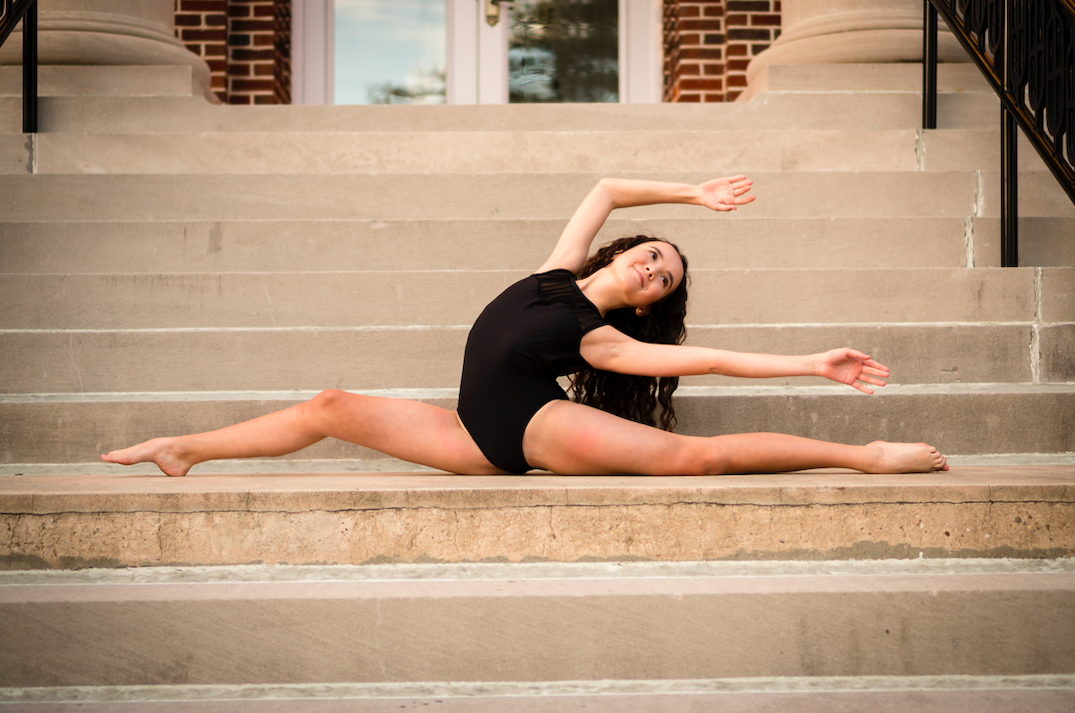
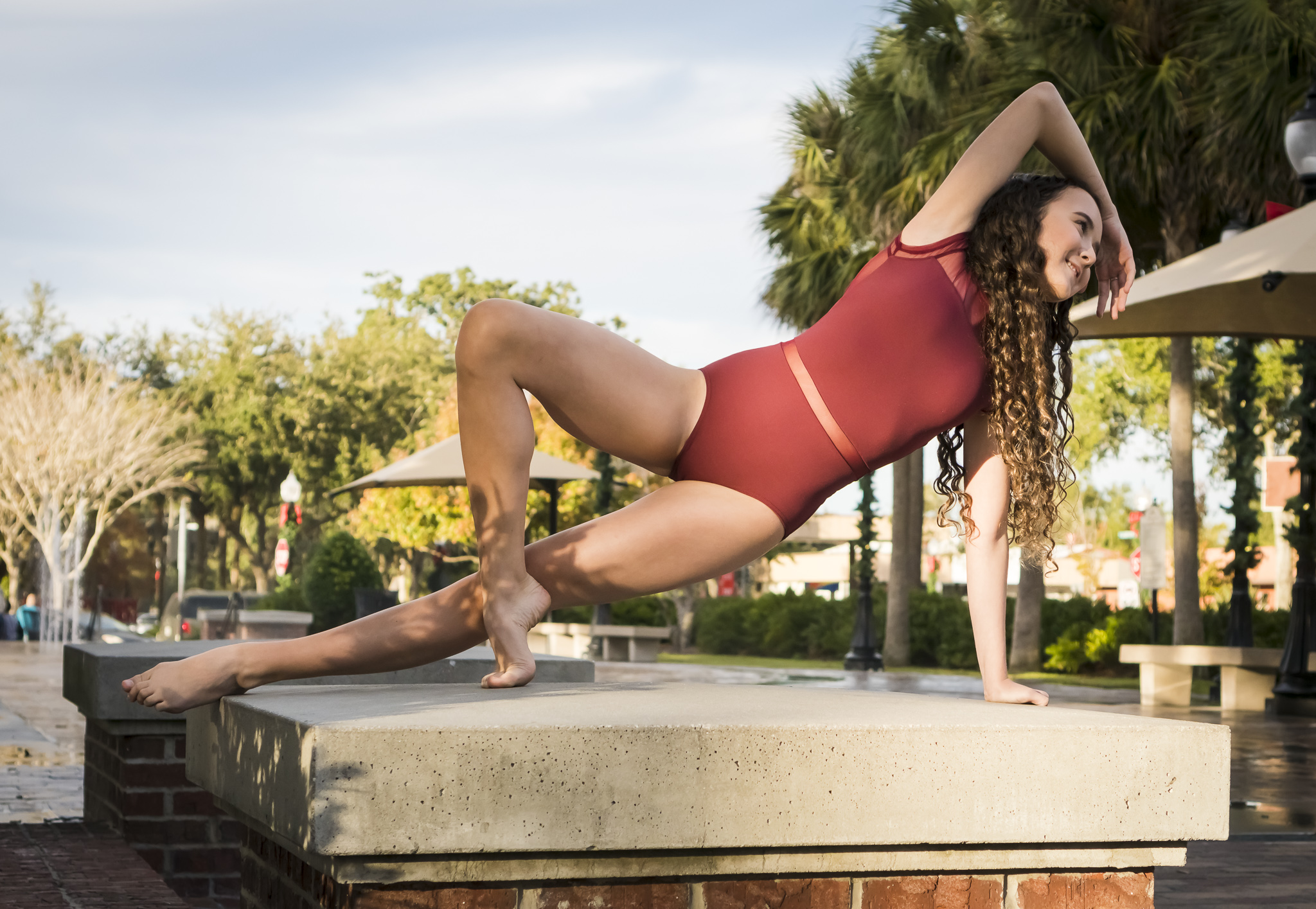
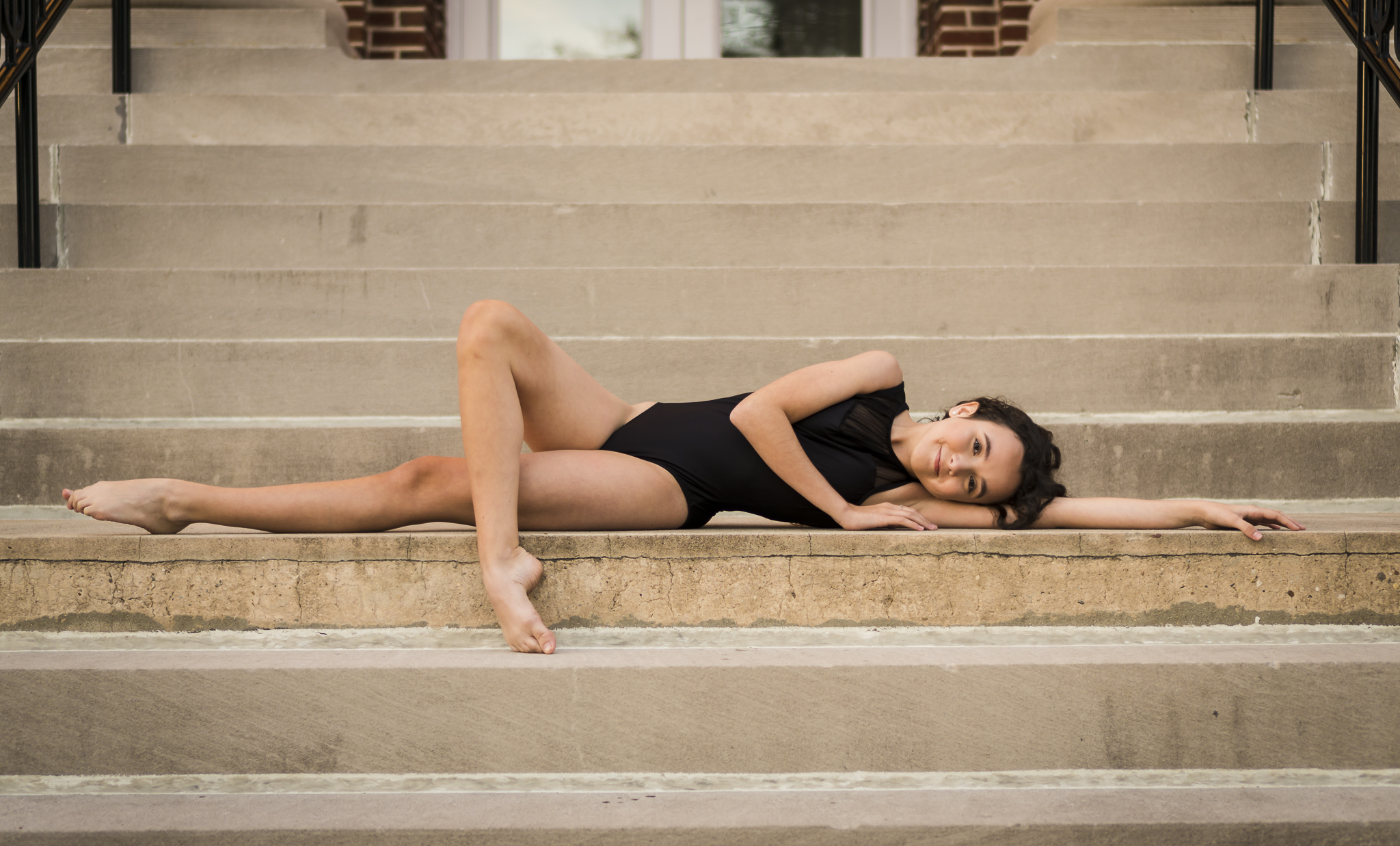
Meet Khloe, a young competitive dancer at Tammy’s Dance Co.! (Reading time: 2 min.)

Photo credit: Clay Morgan Photography

What is your name?

Khloe Chrisman

How old are you?

I will be 7 on February 25.

How long have you been dancing? (Tell us a bit about your dance background)

I started dancing recreationally at age 3 and was asked to join the competitive team at age 5.

Where do you dance and what is your position? (Dancer, teacher, choreographer, etc.)

I dance with Tammy’s Dance Co. on their competitive team.  

What is your favorite style of dance and why?

I love all kinds of dance really. I love acro, ballet, and tap the most, but I also love doing hip-hop with my big brother! I really love ballet and tap because they give my feet something to do, and I love acro because I love doing tricks!

Photo credit: Clay Morgan Photography

What is your go-to snack before or after dancing?

I love getting a Happy Meal after long dance days. My go-to snack would have to be goldfish snacks!

What is your favorite outfit to wear to class?

I love changing it up. Lately, my favorite outfit to wear has been my purple 2-piece Kandi Kouture!

Who do you consider to be a role model for you as a dancer and why?

I LOVE JoJo Siwa. I remember watching her Boomerang video and just loving her style and how fun she was to watch. I also love watching Josh Killacky and how incredibly diverse his dancing is!

What is the biggest challenge you have faced as a dancer?

I am not naturally flexible, so it takes me a bit longer than more flexible dancers to perfect certain moves. Going into the last competitive season, even as late as January, I couldn’t do a backbend, and it was in both of my dances. Right up until taking the stage, I was the last one to go down in the backbend, but on stage I killed it! I was perfectly on cue. I went from not being able to do a backbend to being able to do backbends, walkovers, and back handsprings in a matter of 6 months, among other moves!

What are your goals for the future?

To keep having fun dancing. I’m working on some new skills this year that I hope to perfect before the next competition season starts!

What advice do you have for aspiring dancers?

Don’t worry about other people. There will be dancers better than you, dancers that are more flexible than you. Just keep working on yourself and what you can do and don’t give up. I like the quote by Jerry Dunn that says “don’t limit your challenges, challenge your limits.”

Photo credit: Clay Morgan Photography

Do YOU want to be our next featured dancer? All you have to do to be considered is to…

1.) Leave a supportive comment for Khloe below AND become a follower of our blog. We will email you if you have been selected.

OR

2.) Leave a supportive comment for Khloe on Instagram AND follow our Instagram account. We will DM you if you have been selected.

Happy reading and happy dancing!

Responses have been edited slightly for clarity

Audition Secrets – Body Language

How to make a great first impression and avoid body language blunders! (Reading time: 3 min.)

Your body language during an audition can greatly influence the way others perceive your work ethic and personality. One thing you have to remember at every audition is that the person in charge is a human being, and human beings tend to form biased opinions about others. Even if you’re the most talented dancer in the room, you might not be selected if your body language shows you’re not eager to work hard and give 110% effort. Follow these body language tips to boost your chances for audition success and to make a great first impression!

Posture And Facial Expression

If you look like you’re not listening, people are likely to assume you don’t care. You might be unaware that your posture or facial expression makes you appear bored or uninterested, which is why it is so important to pay attention to body language. Are you slouching? Staring off into space? Fidgeting? Any of these actions can send a choreographer the wrong message. 

When you listen to the person leading the audition address the group of dancers, avoid crossing your arms. Instead, hold them behind your back with fingers laced to convey an open, humble, and receptive position. Maintain eye contact with the person, react genuinely to their words, and nod occasionally to show that you’re listening. Avoid yawning and looking at anything other than the person talking to you. Again, people form biased opinions about others, so if a choreographer is talking about his work and he looks over to see you staring out the window, he’s going to make the assumption that you’re not interested. 

Show Your Eagerness to Work

Throughout the audition process, there are several things you can do to demonstrate that you’re a hard worker. When a combination is being taught, always do the movement with the choreographer. Even if you think you know the movement and you’ve practiced it a dozen times, continue to review the choreography. If the person conducting the audition sees you just standing there in the middle of the group while others are dancing, you’ll be singled out as lazy or confused.

When a choreographer spends a considerable amount of time demonstrating a specific movement, you can assume that this moment is important. The choreographer will likely watch this part of the dance closely to make casting decisions. Once the person finishes the demonstration, show that you can apply the movement to your own body by trying out the movement a couple of times. Don’t just stand there. Even if you know how to do the movement and don’t feel the need to practice, do it anyway and take all opportunities to demonstrate your understanding. This active participation will express your dedication and willingness to learn.

Be Active The Entire Audition

In most dance auditions, you’ll find yourself spending a great deal of time standing on the sides of the room as small groups of dancers perform choreography. Use this waiting time to practice! Instead of standing and watching, mark the combination on the side every single time it’s being performed. Be respectful of the dancers that are performing and make sure you truly stay out of the way on the sidelines. By practicing the movement over and over again, your body will remember the movement when your turn comes to perform. Give yourself all the practice you can get to feel confident in your performance. Additionally, the choreographer will likely notice your dedication and will take note of your strong work ethic. Choreographers want dancers who go the extra mile to work hard, so show them you have these characteristics from the moment the audition begins. 

Leave a comment below and feel free to make a topic suggestion for a future post. Tell me what you want to know!

Happy reading and happy dancing!

Featured Dancer Friday – Shea Ellis!

Meet Shea – A dancer at The Dance Company, FL! (Reading time: 2 min.)

Photo credit: Starry Skye Photography

How old are you?

I am 14 years old. 

How long have you been dancing? (Tell us a bit about your dance background) 

I have been dancing for almost 5 years and competing for 3 years!

Where do you dance and what is your position? (Dancer, teacher, choreographer, etc.)

I am a dancer at The Dance Company, FL! 

What is your favorite style of dance and why?

My favorite style of dance is jazz because it’s so upbeat and fun and makes me so happy!

What is your go-to snack before or after dancing?

My go-to snack is a granola bar or fruit!

What is your favorite outfit to wear to class? 

I usually wear a leotard to class, but I also love to dance in work-out clothes such as leggings.

Photo credit: Starry Skye Photography

Who do you consider to be a role model for you as a dancer and why?

A major role model for me is Jade Chynoweth because she grew up in a small town and became a very well known dancer and actor by the age of 18. She is a very inspiring, truly amazing dancer, and I have learned a lot from her.

What is the biggest challenge you have faced as a dancer? 

The biggest challenge I have faced as a dancer is catching up to other dancers my age that started dancing younger than I did. 

What are your goals for the future? 

In the future, I hope to continue dancing and stretching everyday and learning from other dancers so that I can get better and better and hopefully make a career out of dance!

What advice do you have for aspiring dancers? 

You should never be afraid to try new things and get out of your comfort zone because it can only make you stronger, and no matter how long it might take, just remember to never give up and continue to persevere. A quote that I live by each day is – “A dream doesn’t become reality through magic; it takes sweat, determination and hard work.” – Colin Powell

Photo credit: Starry Skye Photography

Do YOU want to be our next featured dancer? All you have to do to be considered is to…

1.) Leave a supportive comment for Shea below AND become a follower of our blog. We will email you if you have been selected.

OR

2.) Leave a supportive comment for Shea on Instagram AND follow our Instagram account. We will DM you if you have been selected. @throughdancingeyes

Happy reading and happy dancing!

Responses have been edited slightly for clarity

Choreography Tips – Finding Inspiration

5 surefire ways to get inspired and get choreographing! (Reading time: 4 min.)

When you start a new piece of choreography, sometimes it’s difficult to know where to begin. The beginning of any large project can be overwhelming. So many possibilities, so many choices! Deciding which direction to take for a new dance can be quite daunting, but there are several things you can do to narrow your options and think up an idea that really captivates you. So what are you waiting for?! Here are five methods of finding choreography inspiration that’ll have you creating in no time!

Start with simple topic ideas

Try thinking of topics or ideas you find interesting. What excites you? What are you passionate about? It’s so much more enjoyable investing yourself in a dance you feel personally connected to instead of settling for a topic you don’t care too much about. It’s also much easier to choreograph when your mind and body are fully dedicated to the piece’s intention. Think of a topic that ignites a creative spark in you and run with it!

Create a basic storyline or structure

Interested in choreographing a piece that tells a story? Start brainstorming possibilities. Do you want your dancers to have a relationship with one another? What kind of relationship will they have? How will the relationship progress as the dance goes on? Create a rough outline of your vision for the dance. Having a clear idea of what your dance is going to be about will make it much easier to fill in specific movements later on.

This is not to say that every piece needs to be about something. On the contrary, many dances are simply movement for the sake of movement without any deeper meaning. Some dances serve to evoke emotions while others seek to tell an entire story. There is no right and wrong answer when it comes to deciding what you want to choreograph and what message you wish to convey through your work. Spend some time planning out your intention for the dance and what you want your audience to take away from it.

Explore movement that interests you

Another option is to explore movement first and add intention and music/accompaniment later on. Go to the studio by yourself and freely explore a movement style that interests you. Let your mind go. Don’t think, just move. Spend time investigating different styles and movement qualities. You never know what you might stumble upon! It’s a good idea to film yourself dancing so you can look back on your exploration later on and pinpoint which parts you want to develop further in your choreography.

When you feel you’ve found something intriguing, think about how your movement might be interpreted. For example, if the movement is sharp and quick, will it be perceived as aggressive? nervous? powerful? By examining the movements and their qualities, you can begin thinking about developing an intention, subject matter, or storyline. 

Listen to music

If an idea or movement style just isn’t coming to you, there are many other ways to find inspiration for a dance. Try listening to music that piques your interest. What is the tone of the music? How does it make you feel? Does it make you want to move? What kind of movements come to mind or flow naturally from you body when you listen? Find a piece of music that inspires both a mental and physical reaction. Explore a variety of different songs and take note of which ones spark your creativity.

Observe the world around you

Sometimes the best ideas come to us through simple observation. Try observing the world around you to see if anything interesting catches your eye. Find a busy place and take note of what’s happening around you. Perhaps two people fighting sparks an idea for a dance. Maybe you see a bird fly across a courtyard and envision a dance about flying. Inspiration can truly strike anywhere, so pay attention to your surroundings and you never know what you might find!

Leave a comment below telling us how YOU find inspiration for choreography! Feel free to leave a topic suggestion for a future post. Tell me what you want to know!

Happy reading and happy dancing!

Featured Dancer Friday – Coral Howard!

Meet Coral – a trainee with The Big Muddy Dance Company in St. Louis, Missouri! (Reading time: 3 min.)

Photo credit: Gerry Love Photography

How old are you?

23

How long have you been dancing? Tell us a bit about your dance background.

I started dancing at the age of three. I began with ballet, tap, and jazz at Northeast School of Dance in Fort Wayne, IN. When I was a sophomore in high school, I moved to Traverse City, MI where I continued dancing at The Dance Center and later at Dance Arts Academy. In high school, I was able to explore the competitive world of dance while furthering my technique in ballet, tap, jazz, contemporary, improvisation, and musical theatre.

After high school, I attended Grand Valley State University where I obtained my bachelor’s of science degree in public and nonprofit administration and dance. I received an education in ballet, modern, choreography, and improvisation under the instruction of Carrie Morris, Hannah Seidel, and Samantha Shelton.

Where do you dance and what is your position? (Dancer, teacher, choreographer, etc.)

I am currently a trainee with The Big Muddy Dance Company in St Louis, MO. I will be choreographing on the trainees this spring for our showcase at the end of May.

What is your favorite style of dance and why?

My favorite style of dance would have to be contemporary modern, but honestly I enjoy all styles. I love ooey gooey movement intertwined with classical ballet technique.

Photo credit: Gerry Love Photography

What is your go-to snack before or after dancing?

An apple with or without peanut butter.

What is your favorite outfit to wear to class?

My favorite outfit to wear is any pair of colorful/floral leggings with a “babydoll” top – something that moves with me as I dance.

Who do you consider to be a role model for you as a dancer and why?

This is a really hard question because it changes with every day. I am so fascinated by people and the way they move, create, and learn.

What is the biggest challenge you have faced as a dancer?

As a dancer, the biggest challenge I have faced is finding confidence in myself and the way I look. I am constantly comparing myself to those around me. It can be hard to get out of my head at times, especially in ballet class. Instead of enjoying the process and developing my artistry, I’m constantly thinking of everything I need to do to improve my technique.

What are your goals for the future?

My goal is to obtain a company position with a contemporary modern dance company. I want to absorb knowledge and become a better dancer, choreographer, and take on more responsibilities in an administrative position. I would love to be able to choreograph on many companies in the future or even start my own dance company.

What advice do you have for aspiring dancers?

Don’t give up and don’t stop dancing. If you want a career in dance, you have to remain persistent and passionate. There is a place for everyone in the dance world and you just need to find your niche.

Photo credit: Gerry Love Photography

Do YOU want to be our next featured dancer? All you have to do to be considered is to…

1.) Leave a supportive comment for Coral below AND become a follower of our blog. We will email you if you have been selected.

OR

2.) Leave a supportive comment for Coral on Instagram AND follow our Instagram account. We will DM you if you have been selected.

Happy reading and happy dancing!

Responses have been edited slightly for clarity

5 Tips to Stay Warm and Avoid Injury This Winter

How to keep your muscles toasty warm when the temperature drops well below freezing! (Reading time: 3 min.)

This week, temperatures are plummeting below 0. With temperatures this low, dancers need to take precautions to keep their bodies warm while dancing. Dancing with cold muscles is incredibly dangerous. When muscles are stiff, they can strain or tear more easily. Avoid putting yourself at risk for serious injury this winter by following these 5 tips on how to keep your dancing body warm!

1.) Dress warm (like, really warm)

This one’s a no brainer, but dancers often wear thin clothing such as tank tops, leggings, leotards, and tights that just aren’t going to cut it for those freezing cold days.

The best thing you can do for your body is to dress in layers. Wear your normal dance wear, plus a sweatshirt, vest, sweatpants, leg warmers, or any other kind of coverup that provides extra heat. It’s much better to be wearing too many clothes than not enough. Your body will thank you, and you can simply remove layers as you begin to warm up in class. Make sure that the clothes you wear can be easily taken off so you don’t waste class time or cause a distraction.

For performances, make sure to always have additional clothing you can slip on and off before the show or between pieces. Theaters can be drafty and cold despite the threat to dancers’ bodies, so make sure you’re prepared.

2.) Allow your muscles to thaw after being out in the cold

Another no brainer, but some dancers need to walk across a college campus to get to class or rehearsal. You might have ten minutes to walk from one building to the next and five minutes to change before you’re expected to start dancing. In freezing temperatures, the muscles will be stiff and cold from the walk over, so try to make sure you have time to thaw out a little before class. Arrive early before dancing so that your body has time to adjust from being outside. If you just don’t have the time, make sure to dress in layers or have some warm clothes waiting for you at the studio that you can change into.

3.) Give yourself a proper warmup

One of the biggest precautions dancers should take to avoid injury is to always warm up before dancing. Many people believe that stretching alone is an adequate warmup, but stretching cold muscles can easily cause muscle strains and tears. In order for stretching to be effective, muscles need to be warm and relaxed.

Dancers should always start with cardio and/or strengthening to build heat and loosen stiff muscles. Once the muscles are warm, progress to stretching to increase the body’s flexibility and overall mobility.

Make sure you have enough time to warm up before class or a performance. If you are expected to dance full out right at the start of a class, rehearsal, or show, it is your responsibility to take care of your body and warm yourself up beforehand. Don’t neglect this crucial step because you think you don’t need to or you don’t have the time. Even just 10 minutes of cardio, strengthening, and stretching can adequately prepare you for fuller movement.

4.) Use a heating pad

Heating pads can really come in handy for warming up muscles quickly. Most heating pads are relatively small and can easily fit in a backpack or dance bag. During the winter months, it’s always smart to keep one on hand just in case. You can buy a heating pad from Walmart for as low as $9.97. When you’re pressed for time to warm up and your muscles are stiff with cold, just plug in the heating pad before class and let the warmth flow into your body.

5.) Drink hot tea

A hot cup of tea on a winter day can chase the winter blues away! Drinking hot tea before dancing can help warm the body after being exposed to the cold. Not only is tea warming, its also healthy and hydrating, making it the perfect pre-dance drink. Try not to drink tea immediately before class or a performance to avoid cramping and bloating.

Leave a comment below and stay warm! As always, feel free to comment a topic suggestion for a future post.

Happy reading and happy dancing!

Featured Dancer Friday – Olivia Karenas!

Meet Olivia – a dance major at Grand Valley State University! Keep reading to find out how YOU can be our next featured dancer! (Reading time: 3 min.)

Photo credit: Darren Breen Photography

How old are you?

21 years old!

How long have you been dancing?

I have been dancing since I was 5, but I didn’t start ballet until I was 12!

Where do you dance and what is your position? (Dancer, teacher, choreographer, etc.)

I am a dance major at Grand Valley State University and perform with the dance program’s dance company! I am also pursuing another degree in international business and marketing with a French minor.

What is your favorite style of dance and why?

My favorite style of dance is contemporary ballet because I get to incorporate my own style and artistry into the technical aspects of classical ballet!

What is your go-to snack before or after dancing?

I try to eat a nutritional meal before dance to make sure I have enough energy for the long day ahead. If I’m in a rush, my go-to snack before dancing is usually two cheese sticks and some fruit. My snack post-dance is usually something salty like crackers and peanut butter and maybe some chocolate (I have a crazy sweet tooth!).

What is your favorite outfit to wear to class?

My favorite outfit to wear to dance is a tank top and my purple leggings. I also have this really soft, green jumpsuit that I LOVE to wear while warming up!

Photo credit: Darren Breen Photography

Who do you consider to be a role model for you as a dancer and why?

One of my favorite dance role models would have to be Nick Pupillo, the artistic director and founder of Visceral Dance Chicago. I look up to him a lot because of his success in the business side of the dance world. He created his own studio, professional company, and youth company, and he is skilled at teaching artistry to dancers of all ages. I admire his talents both as a dancer/choreographer and as a business owner. My dream is to work in the performing arts administration field, which is why I have always looked up to him!

What is the biggest challenge you have faced as a dancer?

The biggest challenge I have faced as a dancer would be finding the perseverance to keep going over the years. I went through a period of time in which I felt very confident in my dancing and kept gaining more confidence through positive feedback from auditions, peers, and professors. I began not making as many auditions as I wanted to, which led me to lose a lot of the confidence I had built up. I debated whether dancing was something I wanted to continue with or take a break from. This was very challenging for me because dancing has always been the one thing I’ve wanted to do. I kept going, and eventually, I got my confidence back. I learned to think positively about auditions – even the ones I didn’t make, and I learned to be happy knowing I was trying my best.

What is one thing about being a dancer you wish you had known earlier?

It’s hard!! It takes a lot of time and commitment, but it’s totally worth it.

What advice do you have for aspiring dancers?

The cliché phrase “never give up”. There were so many times throughout my college career when I wanted to stop dancing; mainly because I watched my non-dancer friends enjoying their free time. Free time is limited when you have rehearsals and performances at nights and on the weekends, so it’s been difficult at times staying focused and committed to such a heavy dance schedule. I have always struggled with this, but I am so happy that I never gave up and that I continue to try and better myself as a dancer.

Photo credit: Darren Breen Photography

Do YOU want to be our next featured dancer? All you have to do to be considered is to…

1.) Leave a supportive comment for Olivia below AND become a follower of our blog. We will email you if you have been selected.

OR

2.) Leave a supportive comment for Olivia on Instagram AND follow our Instagram account. We will DM you if you have been selected.

Happy reading and happy dancing!

Responses have been edited for clarity

Comparing Yourself To Others

“Don’t let the talents of others inhibit your own ability to grow” (Reading time: 3 min.)

Every dancer has been there. As you’re taking class and have a moment to observe, you find yourself watching the strongest dancer in class and thinking “I wish that could be me”. 

In a dance class surrounded by peers, it’s very easy to compare yourself to others. Maybe one girl in class has amazing turns, and you’ve never been able to do triple pirouettes like her. Perhaps another dancer is smooth and fluid in modern class, and you can never seem to capture these qualities in your own movement. Feelings of frustration about your own abilities set in, and you find yourself constantly identifying dancers you think are “better” than yourself. These people you look up to become the standards for success, and anything less is not good enough.

Comparisons like these can be extremely harmful to a dancer’s well-being. Every dancer at some point wishes they could be like someone else, but there are healthy and unhealthy ways to use role models to achieve personal growth. 

One thing you need to remember is that every dancer’s body is built differently, and therefore, some people may be more suited to specific movement than others. For example, some dancers who are naturally flexible find it easy to execute high leg extensions, while many others find this impossible due to their unique physical structure. If you don’t have this kind of flexibility and constantly compare yourself to someone who does, you hold yourself to unfair, impossible standards. It’s perfectly all right to admire the talents of others, but when you become envious, it only damages your confidence and ability to find your own personal success. In this example, you can absolutely work on your flexibility and make improvements over time, but instead of making unhealthy comparisons to others, start making comparisons to yourself

What does this mean? When making personal goals, pledge to make improvements that compare your old self to your new self, while using role models as inspiration. Instead of trying to make yourself be like somebody else, try to be an improved version of yourself.

Continuing with our flexibility example, let’s say that you can raise your leg 90 degrees in a grand battement to the front. Another girl in class might come close to kicking her face in grand battement, but don’t compare yourself to her. Instead, make specific, small goals that are achievable for your own body and let her abilities motivate you. In this case, your goal might be to get the height of your foot in the extension to chest level. To achieve this goal, you might create a weekly stretching schedule targeting the glutes and hamstrings. If you follow through and put in enough effort, you will begin to see improvements. Be proud of any small accomplishment you make! Raising the leg to chest level may not be an achievement for some dancers, but it’s an achievement for you, and that’s what’s most important. Don’t let the talents of others inhibit your own ability to grow.

There is such a thing as making healthy comparisons between yourself and your peers. It is extremely beneficial to have role models in class that motivate you to succeed. For example, say you are working on your arabesque and you notice a dancer that has excellent form. By observing his technique and body placement, you can apply these observations to your own body. Instead of enviously wishing you could be like someone else and feeling discouraged that you don’t have their body or skills, observe these role models to gain insight for your own personal growth.

One thing to always remember is that you will never be able to exactly copy someone else’s movement or style. A dancer’s body is unique, and no two are the same. It’s impossible to be exactly like someone else. The more you focus on your body’s success, the more progress you will see and the happier you will be achieving your goals. 

Additionally, once you stop negatively comparing yourself to others, you will find much more freedom and happiness while dancing. Personal achievements will be more meaningful, and you will find yourself enjoying class more than you ever did before. Most people dance because they love it, so why make yourself miserable by spending your time being envious of others? Create a positive mentality for yourself in class that will push you to achieve your personal goals and feel good about yourself in the process. 

Leave a comment below and feel free to leave a topic suggestion for a future post!

Happy reading and happy dancing!

Audition Secrets – What should I wear?!

Because picking out what to wear on a normal day is hard enough, right? (Reading time: 2 min.)

The big audition day is finally here! You spring out of bed to your closet, adrenaline pumping, only to realize you haven’t addressed the age old question: “What should I wear?!”

It sounds superficial, but your choice of clothing can actually have a large impact on the success of an audition. Think about the last time you dressed up for a fancy occasion, or that time you wore your best outfit for a school presentation. Your confidence and self-esteem probably skyrocketed. This added confidence in your appearance likely put you in a good mood for the rest of the day and gave you a sense of professionalism. Perhaps you received quite a few compliments that day! 

Photo by Ivandrei Pretorius

You can approach auditions with the same mindset. Unless you are instructed to wear a specific color or type of clothing, choose an outfit that will make you feel strong and confident while dancing. Wear your favorite leotard or your most flattering athletic wear.

Above all, make sure you feel comfortable dancing in the clothes you’re wearing. Don’t choose that pair of ill-fitted leggings you need to pull up every five seconds. You already feel nervous enough about the audition, so don’t give yourself the added stress of worrying about your appearance.

The object of any audition is to grab the attention of the person in charge. There are several ways you can do this simply by the way you choose to dress. If free to do so, choose a brightly colored outfit that sets you apart from the crowd. You can also do your hair in a unique style, wear a pop of red lipstick, or tie a bandana around your head. Find some way to make yourself noticeable so that the person conducting the audition can easily separate you from the rest of the group.

Many dancers choose to wear black for auditions because it’s considered to be professional in the dance world and because it gives the body clean, technical lines. Despite these advantages, the human eye is naturally drawn to objects that contrast with its environment. In a sea of black leotards, a red leotard is much more likely to capture someone’s attention.  

As a general rule, strive for a clean, professional appearance. Don’t show up in a wrinkled t-shirt looking like you just rolled out of bed. Avoid anything too baggy that obscures your body. Go for something that shows off your figure while clearly displaying your body’s technique and placement. 

Make sure to plan your outfit in advance to avoid wasting time in the morning figuring out what to wear or realizing that all your dance clothes are dirty. No one wants to find themselves in the time-consuming, stress-inducing process of trying on outfit after outfit right before an audition. Just like with any other job interview or important meeting, take the time to thoughtfully choose an outfit and dress to impress. 

Leave a comment below and share your go-to audition outfit! As always, feel free to leave a topic suggestion for a future post.

Happy reading and happy dancing!